Raw vs Pasteurised Honey: What's the Difference and Which Should You Buy?
Pick up three jars of honey in a supermarket and you could be holding three quite different products. One might be a pale, runny blend from several countries, another a dark set honey from a farm ten miles away, and a third labelled "raw" with a higher price and a picture of a wildflower meadow on the lid. The words on those labels hint at a lot. The differences inside the jar are real, but they are rarely the ones shoppers imagine.
What follows is what actually changes between raw and pasteurised honey, how to read the label without being misled, and how to decide which jar suits the way you eat.
What happens to honey before it reaches the jar
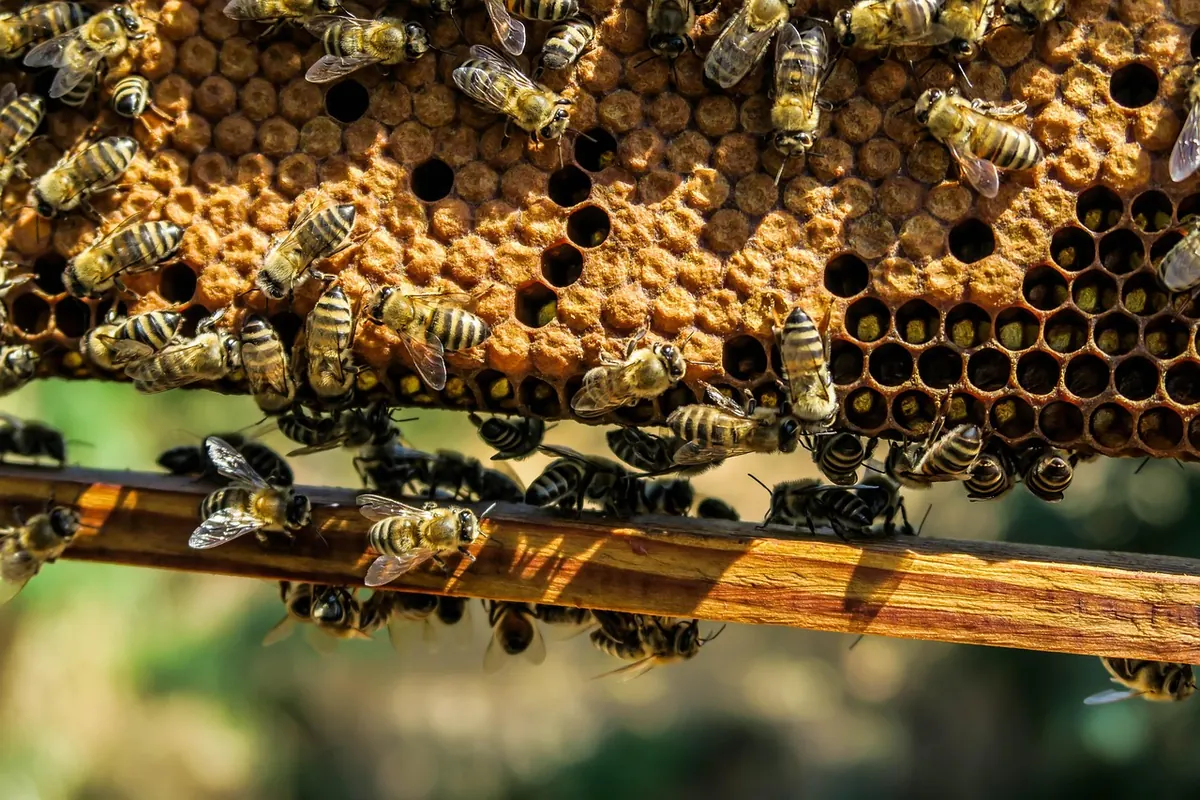
Every jar starts the same way. Bees collect nectar, add enzymes, fan the comb until the moisture drops, then cap it with wax. After that, the routes diverge.
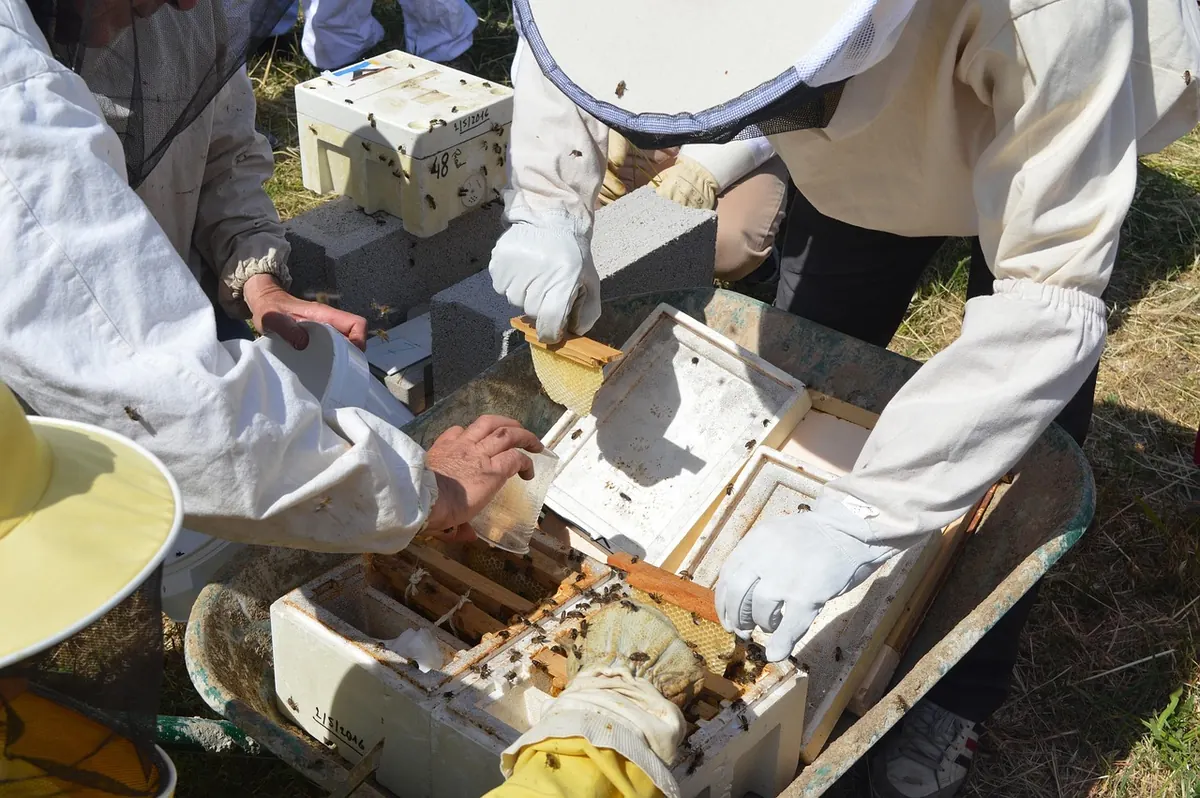
A beekeeper uncaps the frames and spins them in an extractor, then strains the honey to remove wax cappings, stray bee parts and coarse debris. Many beekeepers warm it gently at this point, just enough to help it flow through a sieve. That is not pasteurisation, and it is worth knowing the difference when a producer says their honey is "warmed only to room temperature" or "cold extracted".
Pasteurised honey is heated harder — typically to somewhere between 60°C and 70°C and held there briefly before being cooled fast. That kills the wild yeasts naturally present in honey, dissolves existing sugar crystals, and produces a clear, slow-to-set, very consistent product. Large packers also blend honey from several countries and seasons so that the jar you buy in March tastes like the one you bought last autumn.
Raw honey skips that heat. It may still be strained or coarsely filtered, and in practice most producers warm it a little so it will pass through a filter and into a jar, but it keeps the pollen grains, traces of wax and volatile aromatics that heat drives off.
Flavour and texture: where the difference really shows
Heat is not kind to aroma. The compounds that give honey its scent are delicate, and pasteurisation flattens them. A supermarket blend tends to taste sweet, smooth and generic — perfectly pleasant in a mug of tea, but hard to place on a map.
Raw honey from a single source is a different experience. A dark heather honey is almost jelly-like with a bitter edge. Borage is pale, light and delicate. Oilseed rape is bold and sets hard within weeks. Lime has a minty note; ivy is dense and slightly sharp. If you have only ever eaten blended honey, tasting three or four single-origin jars side by side is the quickest way to understand what the fuss is about.
Texture matters too. Raw honey often arrives with a fine grain rather than a glassy shine, because it has begun to crystallise naturally. Some people love that; some find it gritty. Neither reaction is wrong, but it is worth knowing before you spend money on a large jar.
Crystallisation is a sign of honey, not a fault
Honey is a supersaturated sugar solution — far more sugar than water could normally hold. Over time, the glucose component comes out of solution and forms crystals, while the fructose stays liquid. How fast that happens depends on the ratio of the two, which depends on the flowers the bees visited.
- Fast setters: oilseed rape, clover, dandelion — often solid within weeks.
- Slow setters: acacia, tupelo, sage — can stay runny for many months.
- Naturally grainy: heather and ivy, which often carry a thick, thixotropic texture.
Pasteurisation delays crystallisation but does not prevent it forever. Leave a jar of heat-treated honey in a cool cupboard long enough and it will still set. Crystallisation tells you nothing about quality, purity or added sugar — in fact, honey that never sets over years is more likely to have been heavily processed or blended with a slow-setting variety.
Creamed honey is simply honey that has been deliberately crystallised under control, with fine seed crystals stirred through, to produce a smooth, spreadable paste. It is one of the most useful formats for toast and crumpets.
How to read a honey label in the UK
This is the part where shoppers get tripped up. "Raw" is not a legally defined term on UK honey labels, so it can mean almost anything a producer wants it to mean. Treat it as a description, not a guarantee.
More useful signals to look for:
- Origin. "Blend of EU and non-EU honeys" tells you very little. A named county, region or beekeeper tells you a great deal.
- Floral source. "Scottish heather" or "Cotswold wildflower" is a specific claim; "pure honey" is not.
- Harvest date. Honey keeps for years, but a date shows the producer expects you to think about freshness.
- The word "unpasteurised". Blunt and checkable — a firmer statement than "raw".
- Weight and best-before date. Legally required, and a sign of a properly labelled product.
One thing every jar sold as honey has in common: it must be honey, with nothing added. Sugar syrups and flavourings cannot legally be included.
Does raw honey have health advantages?
Raw honey does contain small amounts of pollen, enzymes and antioxidants that heat reduces. Whether that translates into measurable benefits for everyday eaters is far less clear, and much of what circulates online — local honey curing hay fever, raw honey as a natural antibiotic — is not well supported. The pollen in a jar is largely not the wind-borne pollen that triggers seasonal allergies in the first place.
Two practical points matter more than the marketing:
- Honey of any kind should not be given to babies under twelve months old, because of the risk of infant botulism. Pasteurising does not remove that risk.
- All honey is mostly sugar. Raw honey is not a low-sugar food, and switching to it will not change that.
If you are managing a health condition, are pregnant, or are thinking about using honey on a wound, speak to a GP, pharmacist or dietitian first. Wounds need medical-grade honey, not a jar from the kitchen.
Which should you buy?
There is no single right answer, only the right jar for the job.
- Cooking, baking and sweetening tea: pasteurised or everyday clear honey is fine. Its mild flavour disappears into batter and its predictable texture is easy to work with.
- Eating straight from the spoon or on a cheese board: buy raw, single-origin honey. This is where flavour is the whole point.
- Spreadable toast topping: creamed or set honey, whichever the label calls it.
- If you dislike crystals: look for acacia or a pasteurised blend, and accept that it will set eventually anyway.
- If you want to support local beekeeping: farmers' markets, farm shops and village shows are the best places to ask how the honey was handled. Most beekeepers will happily tell you.
Storing and reviving your honey
Keep honey in a sealed jar at room temperature, out of direct sunlight. It does not need the fridge, and cold temperatures only speed up crystallisation. Use a clean, dry spoon — any material is fine — and never add water to a jar you plan to keep, as the extra moisture can start fermentation.
If your honey has set and you want it runny again, stand the jar in a bowl of warm water — around 40°C, roughly hand-hot — and stir occasionally until it loosens. A slow cooker on its lowest setting works well for larger jars. Avoid boiling water and the microwave, both of which can scorch the honey and undo the very aromatics you paid for.
Finally, buy to your habits. A 900g jar that sits in the cupboard for three years is worse value than a 227g jar you finish in a month. Buy small, buy often, and try something new each time — that is how you find the honey you actually want to eat.
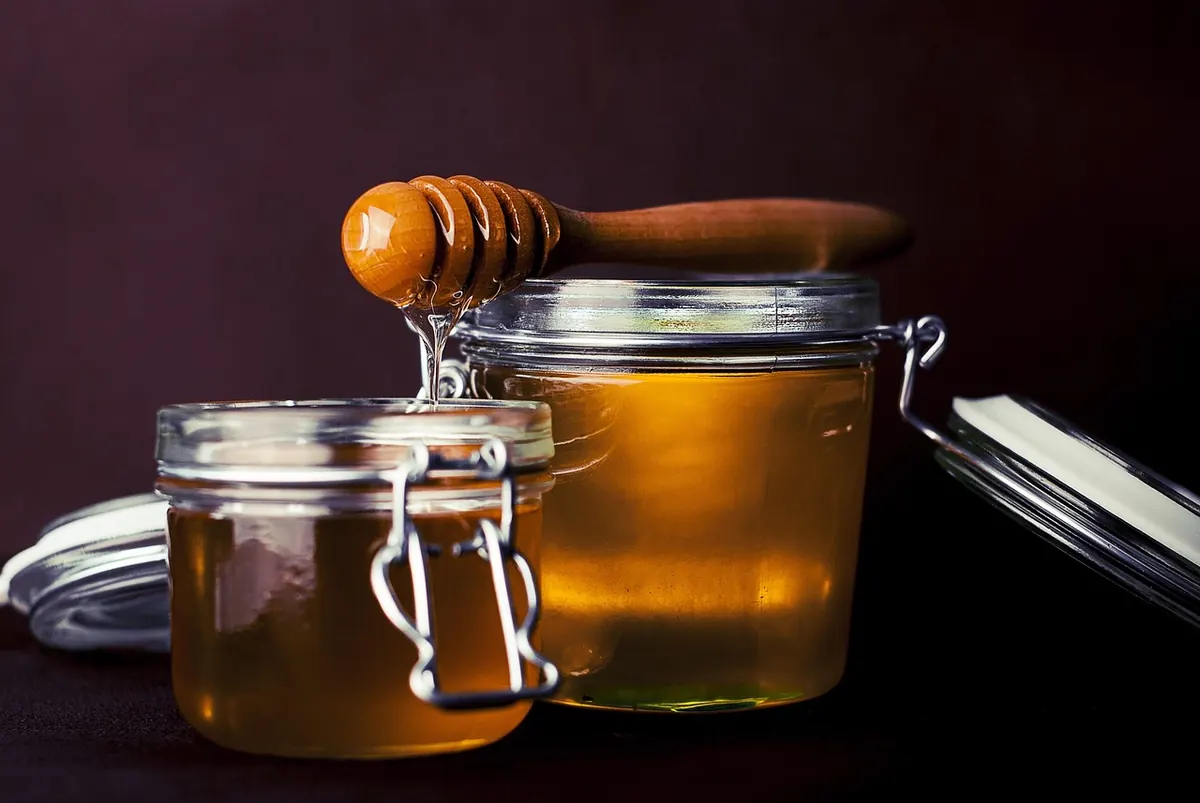
Photo: fancycrave1 / Pixabay

Winterising Your Apiary: How to Prepare Hives for a British Winter
A practical guide to getting hives through a British winter: autumn feeding, varroa treatment, mouse...
Building vs Buying a Beehive: Cost, Time and Convenience Compared
Flat-pack, ready-made or built from scratch? A practical look at what each beehive option really costs in...
About Us