The Beekeeper's Year: A Month-by-Month Apiary Checklist for the UK
The British beekeeping year rarely follows the textbook. A mild February can have bees working the snowdrops while a wet June keeps them indoors for a fortnight. What stays constant is the rhythm: build, swarm, gather, store, settle. Treat the month-by-month guide below as a prompt rather than a rule book, because weather, altitude and the forage around your apiary will shift everything by two or three weeks in either direction.
January to March: Starting the Year
Resist the urge to open hives in winter. Every cold inspection costs the colony heat and breaks the propolis seals built against draughts. Work from the outside instead. Heft each hive from the back with one hand; if it lifts without effort, stores are low and a block of fondant over the crown board is sensible. Syrup belongs in warm weather, when bees can reduce its moisture — in January it may do more harm than good.
Clear entrances of dead bees, snow and fallen leaves, check roof straps and weights, and make sure the hive is ventilated but not dripping. A slight forward tilt sheds rain away from the entrance. Damp kills more colonies than cold does.
Use the quiet weeks well: clean and scorch tools, build frames, render old comb, mend roofs, and order equipment early. The beekeepers who cope best in April are the ones with spare kit already in the shed.
Open the first full inspection on a mild, still day when bees are flying freely, and work quickly. You are looking for a queen laying an even pattern across three or four frames, at least a couple of frames of food, and space. When eight frames are covered with bees, add the first super. Congestion is the main trigger for swarming. Chalkbrood after a cold snap is common and usually passes, but anything resembling European or American foulbrood is notifiable: seal the hive, wash your hands and tools, and contact the National Bee Unit, whose inspectors carry out free statutory disease checks.
April to June: The Swarm Season
May and June catch people out. With oil seed rape in flower, colonies expand explosively and queen cells appear almost overnight. Inspect every seven days. Look at what the colony is planning rather than what you want it to do — a hive with nowhere to lay and nowhere to store will build swarm cells regardless of your diary.
- Shake bees from each frame carefully and find the queen before you move anything.
- Deal with queen cells deliberately: remove them, or use them to make a nucleus colony.
- Keep a spare floor, brood box and roof ready so an artificial swarm is a fifteen-minute job.
- Extract rape honey promptly, before it sets hard in the comb.
Add supers before they are needed rather than after. If you keep records of brood frames, stores and temperament at each visit, you will start to see the pattern behind a colony's behaviour, and swarm control becomes a matter of timing rather than luck.
July to September: Harvest and Preparation
Harvest only when at least three-quarters of the cells in a super are capped; unripe honey ferments. Leave the brood box and enough stores behind, work in a bee-tight room, and keep extractor, buckets and jars scrupulously clean. Honey is hygroscopic, so never leave it standing open to damp air.
Once the crop is off, monitor varroa and treat only with a product licensed for use in the UK, following the label exactly and recording the dates. Late summer, when brood is declining, is usually the most effective window. If you are unsure what to use or when, ask your local association or your regional bee inspector rather than guessing.
August brings wasps, robbing and a shrinking nectar flow in many areas. Reduce entrances, keep spilled honey away from the apiary, and unite colonies that are too small to see out the winter. Then, from September, the bees reared now are the ones that will carry the colony to spring. They live for months rather than weeks, and they need good food and low disease pressure to do it.
October to December: Closing the Door
Feed thick syrup — roughly two parts sugar to one part water by volume — in the evening to limit robbing, and stop once the nights turn cold. Aim to leave a full brood box of stores, plus a little extra for a large colony. Ivy pollen and nectar will top things up in mild autumns.
Before the first hard frost, fit mouse guards, remove queen excluders, block down entrances, strap or weigh the roof, and clear spare boxes out of the apiary so they do not harbour wax moth and wasps. Insulate sensibly: a well-ventilated, dry hive with a solid roof and a little top insulation beats a sealed box that sweats.
By December, the work is done. Leave the bees alone, tidy your records, and plan next season.
A Month-by-Month Quick Reference
- January: heft hives, clear entrances, repair kit, order supplies.
- February: add fondant if light; watch for early willow pollen.
- March: first full inspections; assess brood, stores and space.
- April: add supers; begin swarm watch; clean floors.
- May: weekly inspections; manage queen cells; prepare nucs.
- June: swarm control, super management, harvest planning.
- July: extract early honey, monitor mites, watch stores.
- August: finish the harvest, treat varroa as advised, unite weak colonies.
- September: feed for winter, reduce entrances, tidy up.
- October: top up stores, fit mouse guards, insulate.
- November: final heft, secure roofs, clean tools.
- December: leave them in peace; build frames for spring.
Making the Calendar Work for You
Dates on a page are a starting point, not a schedule. Bees in Cornwall, Cumbria and Aberdeenshire live in three different climates, so learn your own patch: note the first willow, the first drone brood, the day the wasps arrive. A notebook kept over two or three seasons is worth more than any generic timetable.
Join a local association and visit other apiaries. Most problems — a failing queen, a patchy brood pattern, a colony that will not draw comb — look obvious to someone who has seen them before. Ask before you act.
Finally, a few practical notes. Keep spare equipment, a clean water source and a means of dealing with stings. If you sell honey, you are a food business and must follow food hygiene rules, so check the current guidance from your local authority. And if you or anyone in your household reacts badly to stings, take medical advice rather than relying on hope.
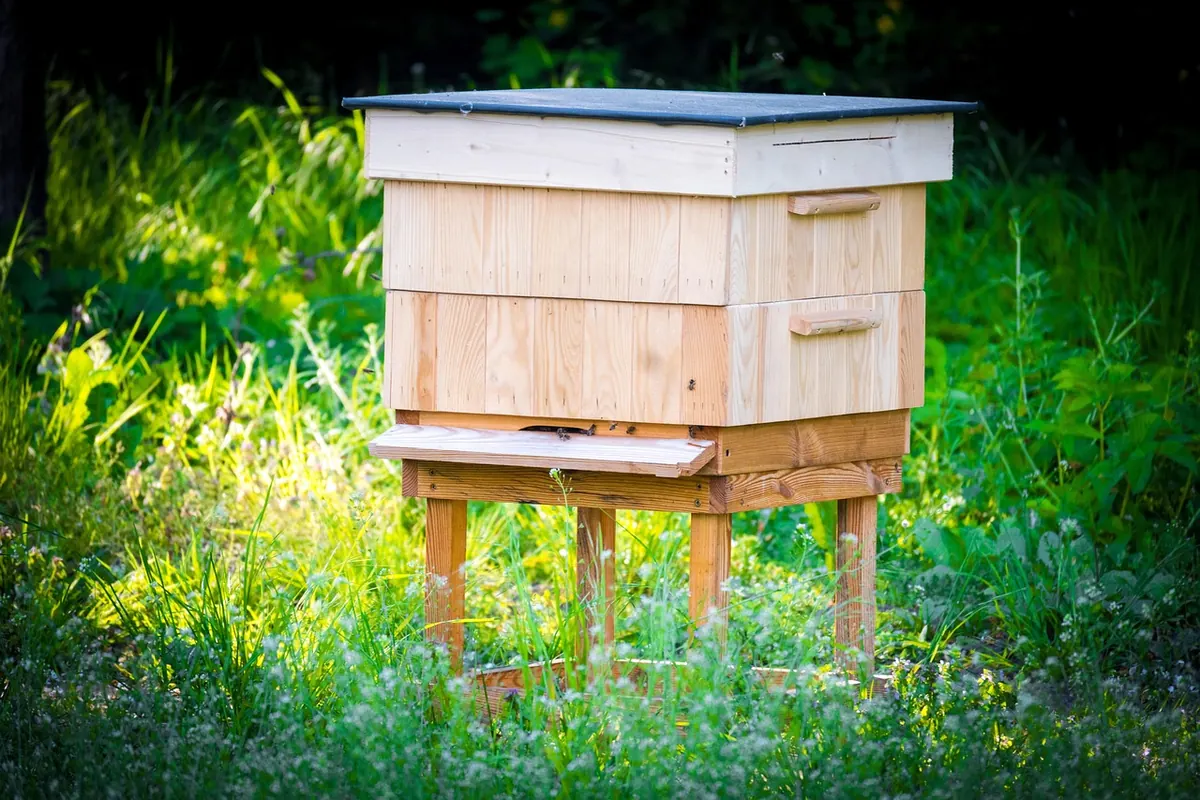
Photo: Vitaly Gariev / Pexels

Winterising Your Apiary: How to Prepare Hives for a British Winter
A practical guide to getting hives through a British winter: autumn feeding, varroa treatment, mouse...
Building vs Buying a Beehive: Cost, Time and Convenience Compared
Flat-pack, ready-made or built from scratch? A practical look at what each beehive option really costs in...
About Us